2026-09-20 · Tom Harlan
How to Dry Out a Flooded Basement After a Fargo Storm
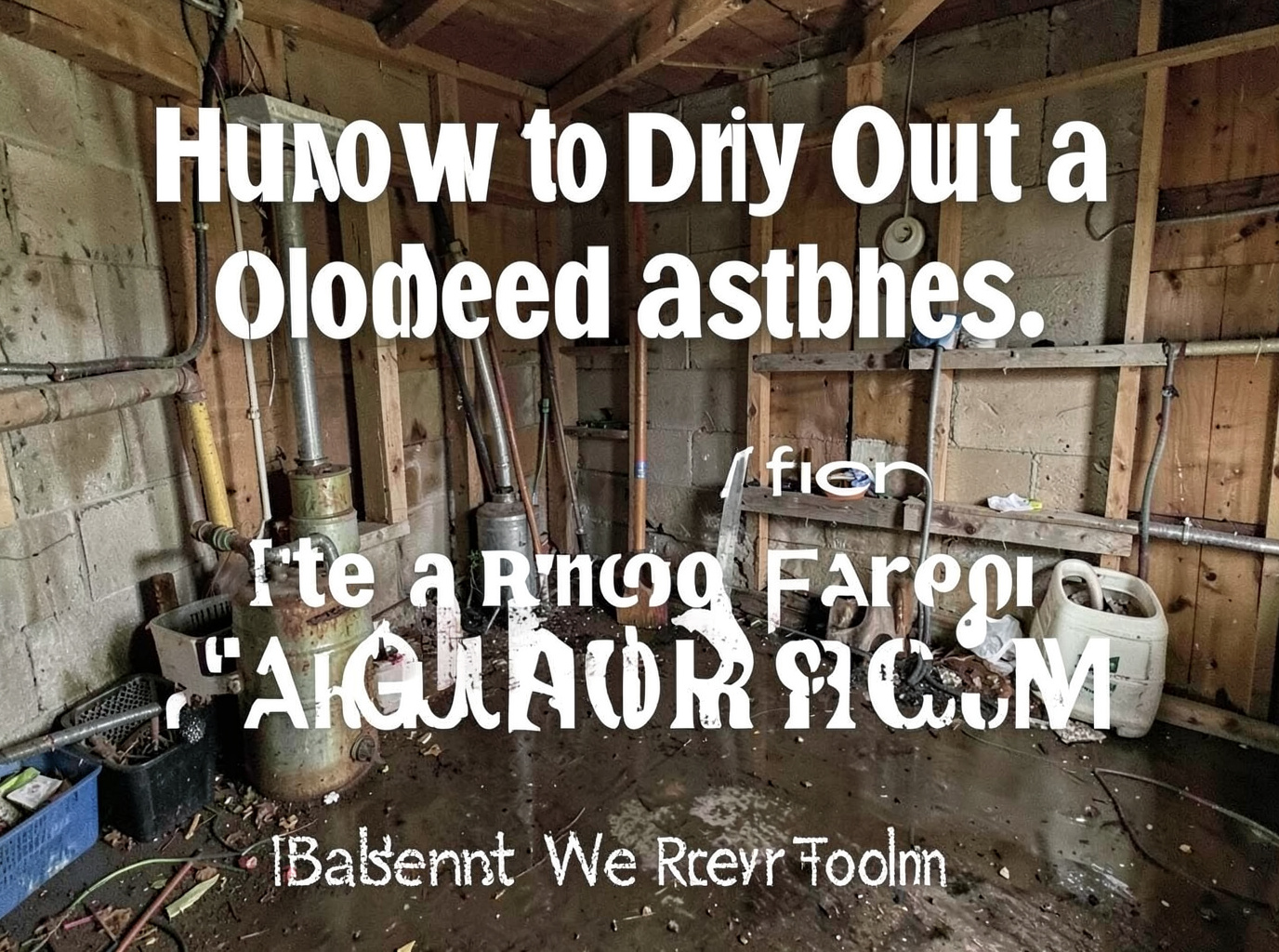
After a Fargo storm, begin drying a flooded basement by extracting all standing water within the first 24 hours, then deploy dehumidification and airflow equipment while monitoring moisture levels in walls and floors for 5 to 10 days depending on saturation depth. This timeline accounts for Cass County’s mix of older homes with stone foundations and newer builds near the Red River that trap moisture differently during warm summer thunderstorms.
Assess Safety and Initial Damage
Start by shutting off power to the affected area and checking for structural shifts common in Fargo’s freeze-thaw cycles. Wear protective gear because storm water often carries contaminants from streets in neighborhoods like South Fargo or Hawthorne. Walk through the space noting water lines on walls and any seepage points near the foundation, especially in homes built before 1970 that lack modern drainage. Document conditions with photos for insurance and to track drying progress. Homes in North Fargo near the Fargodome frequently see higher water tables after blizzards followed by rapid warm-ups, so check sump pits first. If water exceeds a few inches or electrical hazards exist, contact professionals rather than attempting DIY removal.
Extract Standing Water and Debris
Use submersible pumps or wet vacuums to remove pooled water before it soaks deeper into concrete slabs or wooden joists. Focus on low spots that collect runoff from Prairie Rose or Woodhaven yards during intense summer downpours. Clear out mud, insulation, and damaged materials that retain moisture and promote mold in the humid weeks after a storm. In Island Park or Downtown Fargo properties with limited access, portable equipment works best to avoid spreading water further. Once bulk water is gone, ventilate with fans but avoid spreading spores by directing airflow outward. This step prevents secondary damage that can appear weeks later in basements near the North Dakota State Capitol grounds.
Apply Structural Drying Techniques
Deploy commercial dehumidifiers and air movers to pull moisture from drywall, framing, and subfloors at rates suited to Fargo’s variable climate. Run equipment continuously while taking daily moisture readings with a meter to confirm levels drop below 15 percent. Structural Drying And Dehumidification services handle hidden pockets in older Northport homes where plaster holds water longer than modern materials. Position units to create a drying vortex across the entire space rather than spot treating. Monitor for condensation on pipes during warm summer nights that can restart the cycle. Homes near West Acres often need extra attention to carpet pads and baseboards that trap water from Red River backups.
Address Long-Term Prevention
Install or repair a sump pump system to handle future snowmelt and thunderstorm volumes that overwhelm older Cass County foundations. Sump Pump Installation And Repair targets the heavy clay soils common throughout Fargo that slow natural drainage. Seal exterior cracks and grade soil away from the house to reduce water entry during blizzards that dump heavy snow followed by sudden thaws. What Spring Snowmelt Does to Fargo Basements explains seasonal patterns that compound storm damage. Check gutters and downspouts regularly in areas like Hawthorne to keep water moving away from the structure. Basement Water Removal Costs in the Fargo Area outlines typical expenses for similar jobs in nearby Grand Forks and Bismarck homes facing the same weather.